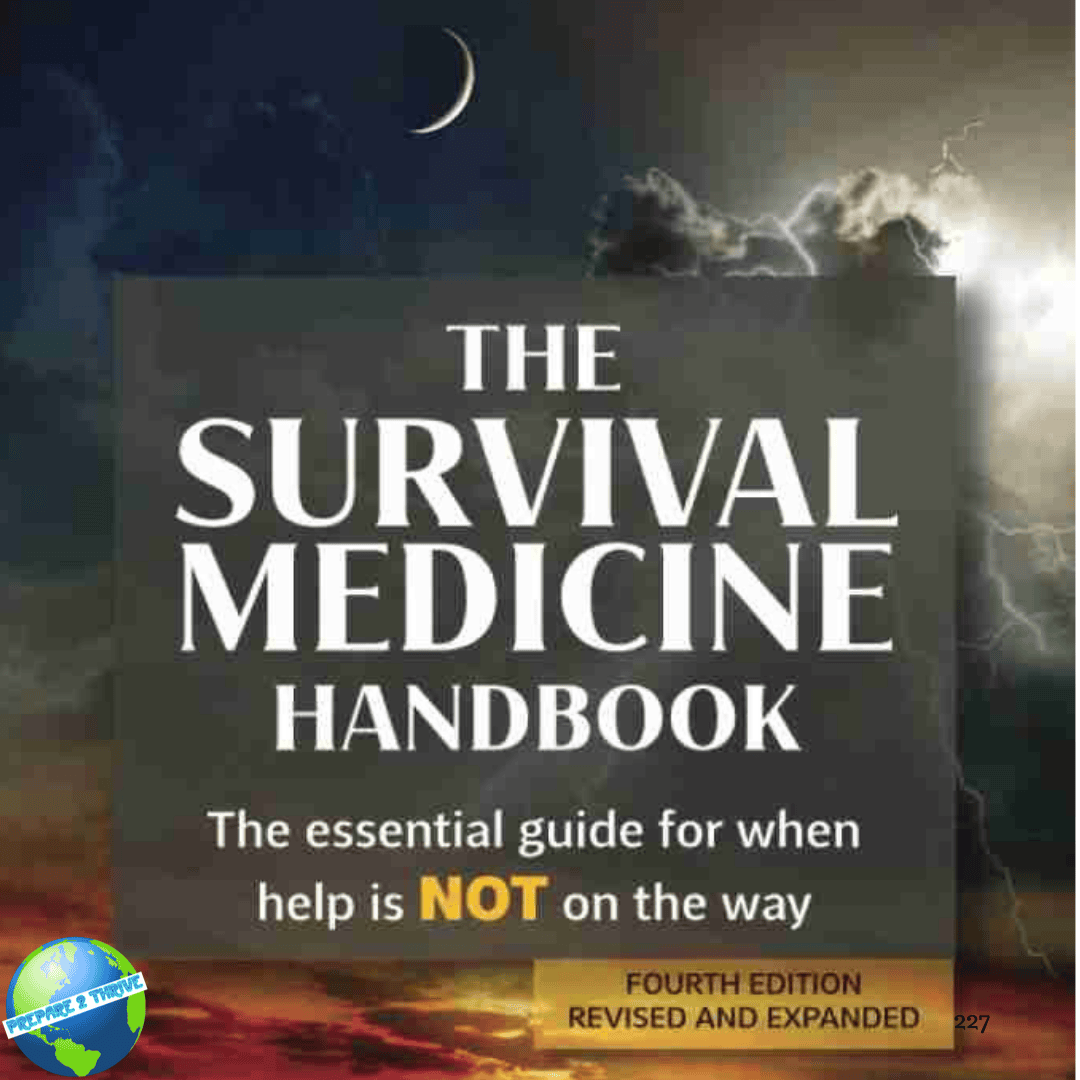
If there is one book you are buying this year, this should be it. On land, or on the sea, this is the one book you need when it comes to medical emergencies.
At nearly 700 pages I can't begin to describe all the situations and procedures it covers. Here is the Table of Contents to give you an idea of what it covers.
The Survival Medicine Handbook: A Guide for When Help Is Not on the Way - Table of Contents
PREFACE: THE SECOND EDITION
TAKING RESPONSIBILITY
WHAT THIS BOOK ISN’T
INTRODUCTION: ARE YOU NORMAL?
SECTION 1: PRINCIPLES OF MEDICAL PREPAREDNESS
DOOM AND BLOOM VS. DOOM AND GLOOM
BAD NEWS AND GOOD NEWS
HISTORY OF PREPAREDNESS
MEDICAL PREPAREDNESS
THE CONCEPT OF INTEGRATED MEDICINE
WILDERNESS MEDICINE VS. LONG TERM SURVIVAL MEDICINE
Wow, this book sounds like a treasure trove of information! As a single mom, I really appreciate having practical advice for medical emergencies. It’s all about that sense of security, especially when you’re responsible for the well-being of others.
The fact that it covers so many scenarios—from everyday injuries to more serious situations—is impressive. I’ve always believed in being self-reliant and prepared, and this seems like a great resource for that. The sections on hygiene and sanitation really resonate with me, considering how easily those issues can escalate.
I’m curious about the natural remedies section too. It’s nice to have options beyond just meds, especially with kids.
I might just have to pick up the spiral binding version—something about that makes it easier to flip through in a pinch! 📚 Anyone here already have it? Would love to hear your thoughts!
I've spent countless hours on the open sea, where the only certainties are the ebb and flow of the tide. As such, I've come to deeply appreciate the value of preparedness, particularly in medical emergencies when help is not on the way. This book is a treasure trove of information, an invaluable resource for any survivalist, particularly those like myself who often find themselves far from land.
In my experience, the section on 'HYGIENE AND SANITATION' is particularly crucial. When living aboard a sailboat, maintaining cleanliness can be challenging, but it's essential to prevent the spread of disease. An overlooked but critical factor in survival is the management of waste, especially on a boat with limited space. Proper sewage disposal is not only a matter of cleanliness but also a key factor in preventing water contamination.
The 'ENVIRONMENTAL FACTORS' section is another goldmine. Being at the mercy of Mother Nature's rapid mood swings, I've faced numerous hazards from hurricanes to intense sun exposure. Understanding and respecting these factors can mean the difference between life and death in a survival situation.
I'd suggest, however, that the book could benefit from a section dedicated to maritime-specific medical emergencies, such as jellyfish stings or injuries from boat equipment. As a sailor, these are risks I face regularly, and having more detailed information on how to deal with such situations would be beneficial.
Lastly, I'd like to highlight the importance of mental preparedness. The sea can be equally liberating and isolating, and in a survival situation, maintaining mental resilience is as important as physical health. Perhaps a future edition could delve deeper into this aspect.
In conclusion, this handbook is a beacon of knowledge in the vast ocean of survival medicine. Its guidance has been a trusted companion on my sailing journeys and I wholeheartedly recommend it to all fellow survivalists and sailors.
As an experienced prepper and sailor, I cannot emphasize enough the importance of this book. The Survival Medicine Handbook is an essential part of my survival kit, both on land and at sea. The broad range of topics covered, from handling medical emergencies to dealing with chronic medical conditions, is nothing short of a lifeline when help is not on the way.
Drawing from my own experience, the sections on environmental factors and injuries are particularly beneficial for anyone planning to bug out on a boat. The harsh maritime conditions can pose unique challenges, and understanding hypothermia, dehydration, and how to treat injuries can make a world of difference.
Additionally, the book's comprehensive coverage of hygiene and sanitation is critical. In a survival situation, these are often overlooked aspects, but as anyone who has spent time on a boat can tell you, maintaining hygiene is essential in close quarters to prevent the spread of diseases.
One suggestion I would make to fellow readers would be to not just read the book, but practice the techniques. In a survival situation, time is of the essence, and familiarity with procedures can save precious minutes.
Finally, I appreciate the inclusion of natural remedies and the medicinal garden. These are invaluable resources, especially when traditional medical supplies may run low. I would love to see a future post delving deeper into these subjects, perhaps with more specific advice for those of us planning to survive off the grid on the water.
In conclusion, this book is a must-have for any serious prepper. It's not just about survival, it's about the well-being of our loved ones when the SHTF. Stay safe and prepared, folks!
As a seasoned sailor and prepper, I’ve found this handbook to be an essential part of my survival kit. Whether you're at sea or on land, having a comprehensive, practical guide to medical emergencies is as important as having a compass in a storm.
Navigating through the sections of the book, I was particularly drawn to the chapters on wilderness medicine and the importance of community. Much like a crew on a ship, survival often depends on teamwork and the collective knowledge and skills of the group. This book underscores that principle perfectly.
Another critical part of survival at sea or in any SHTF scenario is the ability to improvise. The sections on natural remedies and the medicinal garden are an invaluable resource in this regard. It reminded me of the time when I had to use crushed aspirin to soothe a jellyfish sting while at sea.
As an owner of a liveaboard capable vessel, I've always emphasized the importance of being prepared for any eventuality. This book, with its detailed instructions and wide range of topics, certainly aids in that preparation. The section on dealing with sewage issues resonated with my experiences on my trimaran, Papillon. It's a less glamorous aspect of survival, but crucial nonetheless.
One recommendation I would make for future editions would be to include a section on dealing with sea-specific ailments like seasickness or saltwater sores, which can be a common issue for liveaboards or long-term sailors.
I’ve found that the best way to weather any storm, whether it's a hurricane or a medical emergency, is to be well-prepared and well-informed. This book is a lighthouse in the fog of uncertainty, a must-have for anyone serious about survival.
As an experienced prepper and sailor, I can't stress enough the importance of a comprehensive guide like 'The Survival Medicine Handbook'. It's a staple on our sailboat alongside our medical kit. I appreciate how detailed this book is, covering a myriad of situations from environmental factors to chronic medical problems.
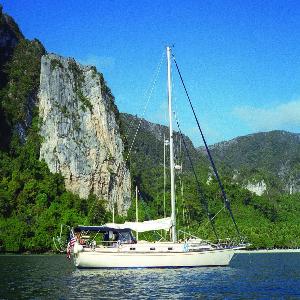
Being prepared for medical emergencies at sea or in any remote location is crucial. We've spent years outfitting our 40-foot Island Packet for long-term survival, and this book fits right into our survival strategy. Understanding how to handle medical issues when you're the only help available is a skill that can't be undervalued, especially when you're out on the open sea or hidden away on an island.
I'm particularly impressed with the sections on natural remedies and the medicinal garden. As someone who values self-sufficiency and preparedness, I believe in harnessing what nature provides in times of crisis. The maritime environment offers various natural resources that can be used for healing and sustenance, and this book's focus on such elements is commendable.
One suggestion for fellow sailors and preppers would be to familiarize yourselves with the book's content before a crisis occurs. Practice the procedures and consider role-playing scenarios to help cement the information. And remember, this book is a guide, not a replacement for professional medical advice or training.
Overall, I believe 'The Survival Medicine Handbook' is a must-have for any survivalist's library, whether you're a landlubber or a seasoned sailor like me. It's a valuable resource that combines medical knowledge with the practical realities of a SHTF situation. I highly recommend it to anyone serious about their survival preparedness.
Ahoy there! Emily here, or as some might know me, survivalsailor. I can't help but nod in agreement with this article. 'The Survival Medicine Handbook: A Guide for When Help Is Not on the Way' is indeed a must-have for anyone serious about prepping, whether you're on land or at sea.
The comprehensive nature of this book reminds me of my own journey into prepping. Having had a close encounter with a natural disaster, I understand the importance of knowledge and preparation. From my experience, I've learned that in a SHTF situation, there's no room for panic, just preparedness.
This book is like a mini medical school, covering topics from hygiene to injuries to chronic medical problems. Although I'm not a boater, my love for the sea and my SHTF plan involving my sailboat makes the information in this book priceless.
One thing I'd like to add is the value of practical application. It's one thing to read about these situations; it's a whole different ball game when you're actually in the thick of it. I would advise readers to not only read but also practice these procedures as much as possible.
Lastly, the section on natural remedies caught my eye. Many people underestimate the power of nature, but it can be a lifesaver, literally, in a survival situation. I'd recommend further exploration into the world of natural and herbal medicine.
Remember, preparation is key, and knowledge is power. Keep your sails high and your first aid kits handy, friends!