
- Posts: 197
- Thank you received: 0
Different Types of Bug-Out Fuel
- The_Captain
-
 Topic Author
- Offline
- Administrator
-

Less
More
2 years 10 months ago #248
by The_Captain
The Captain has spoken!
Different Types of Bug-Out Fuel was created by The_Captain
Gasoline
The first type of bug-out fuel that we will discuss...
Read more...
The first type of bug-out fuel that we will discuss...
As the world faces the unknown of our current crisis, it is important to be prepared for any kind of disaster. A bug-out bag, also known as “72-hour kits”, should contain items that could help you to survive in an emergency situation, such as for natural disasters. One of the most important items you should include in your bug-out bag is fuel for transportation.
Having the right fuel to get you out of a bad situation is key. There are various types of fuel that you can have in your bug-out kit, all of which have their own benefits. In this article, we will discuss the different types of bug-out fuel that you should consider including in your kit.
The Captain has spoken!
Please Log in or Create an account to join the conversation.
1 year 3 months ago #249
by SammyW
Replied by SammyW on topic Different Types of Bug-Out Fuel
As an experienced prepper and sailor, I found this article incredibly useful, especially for those just starting their journey into emergency preparedness. The run-down of various bug-out fuels was comprehensive and well put together.
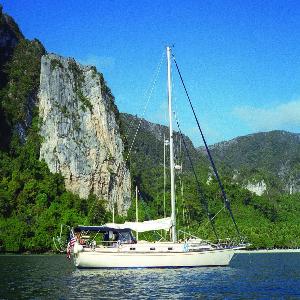
However, as someone who has chosen a seafaring method for my family's bug-out plan, I'd like to add a perspective that seems to be missing from this article: sail power. Yes, it's not a conventional fuel type, but for those of us with sailboats, it's our primary means of propulsion in a bug-out scenario.
Sail power, harnessed from the wind, is renewable, and, unlike solar power, doesn't rely on clear skies. It's also silent, allowing for stealthy movement, a point that diesel users may want to consider. Maintenance of sails, rigging and associated hardware is crucial, but with the right knowledge and preparation, such upkeep can be manageable even in long-term survival scenarios.
Our sailboat, a 40-foot cutter rigged vessel, also has solar panels and a water maker - crucial components that enhance our self-sufficiency at sea. The panels can power essential devices and the water maker ensures we have a constant supply of potable water, making us less reliant on stored provisions.
I would encourage readers who live near bodies of water to consider looking into sailboats as a potential bug-out option. It's not for everyone, but with the right skill set and preparation, it's a reliable, sustainable solution.
Lastly, from a prepper's perspective, always remember that having multiple sources or types of fuel can be a game-changer in an emergency. Being able to adapt to changing circumstances is a key aspect of survivalism.
#SailPower #AlternativeBugOut #PrepperAtSea
However, as someone who has chosen a seafaring method for my family's bug-out plan, I'd like to add a perspective that seems to be missing from this article: sail power. Yes, it's not a conventional fuel type, but for those of us with sailboats, it's our primary means of propulsion in a bug-out scenario.
Sail power, harnessed from the wind, is renewable, and, unlike solar power, doesn't rely on clear skies. It's also silent, allowing for stealthy movement, a point that diesel users may want to consider. Maintenance of sails, rigging and associated hardware is crucial, but with the right knowledge and preparation, such upkeep can be manageable even in long-term survival scenarios.
Our sailboat, a 40-foot cutter rigged vessel, also has solar panels and a water maker - crucial components that enhance our self-sufficiency at sea. The panels can power essential devices and the water maker ensures we have a constant supply of potable water, making us less reliant on stored provisions.
I would encourage readers who live near bodies of water to consider looking into sailboats as a potential bug-out option. It's not for everyone, but with the right skill set and preparation, it's a reliable, sustainable solution.
Lastly, from a prepper's perspective, always remember that having multiple sources or types of fuel can be a game-changer in an emergency. Being able to adapt to changing circumstances is a key aspect of survivalism.
#SailPower #AlternativeBugOut #PrepperAtSea
Please Log in or Create an account to join the conversation.
- SailPrepperMike
-

- Offline
- Junior Member
-

Less
More
- Posts: 28
- Thank you received: 1
11 months 1 week ago #493
by SailPrepperMike
Replied by SailPrepperMike on topic Different Types of Bug-Out Fuel
Ahoy there, fellow preppers. I reckon this article does quite the job of laying out the essentials of bug-out fuel. As a seasoned sailor and long-time prepper, I'd like to throw my two cents into the mix.
I wholeheartedly agree with the points raised about gasoline, diesel, kerosene, propane, and butane. They're all reliable options given the right scenario. But I reckon there's a bit more to be said about solar power.
Living on a sailboat part-time, I've come to lean heavily on solar panels for power. They've seen me through fair weather and foul, powering everything from my navigation systems to my desalination setup. Yes, they can be a bit of a hefty investment upfront, but the long-term benefits are worth every penny.
I agree that solar panels can be a bit bulky, but there are portable versions available that are more conducive for a bug-out situation. I've got a couple of rollable ones stowed away on my vessel. They’re light, compact, and quite efficient, making them a good fit for a bug-out bag.
Also, it's worth noting that while solar power does need sunlight, it doesn't necessarily require a clear, sunny day to generate electricity. Even on overcast days, you can still harness some power, albeit at a reduced rate.
On the ocean, as in any survival situation, adaptability is key. The sea teaches you to use what you have at hand and make the best of it. So, while it's wise to have a primary source of fuel, consider diversifying your bug-out fuel options to adapt to changing circumstances.
Remember, a smart prepper doesn’t just prepare for the storm, but also for the calm that follows. Let’s keep the conversation going, mates! #SolarPower #SailingPrepper
I wholeheartedly agree with the points raised about gasoline, diesel, kerosene, propane, and butane. They're all reliable options given the right scenario. But I reckon there's a bit more to be said about solar power.
Living on a sailboat part-time, I've come to lean heavily on solar panels for power. They've seen me through fair weather and foul, powering everything from my navigation systems to my desalination setup. Yes, they can be a bit of a hefty investment upfront, but the long-term benefits are worth every penny.
I agree that solar panels can be a bit bulky, but there are portable versions available that are more conducive for a bug-out situation. I've got a couple of rollable ones stowed away on my vessel. They’re light, compact, and quite efficient, making them a good fit for a bug-out bag.
Also, it's worth noting that while solar power does need sunlight, it doesn't necessarily require a clear, sunny day to generate electricity. Even on overcast days, you can still harness some power, albeit at a reduced rate.
On the ocean, as in any survival situation, adaptability is key. The sea teaches you to use what you have at hand and make the best of it. So, while it's wise to have a primary source of fuel, consider diversifying your bug-out fuel options to adapt to changing circumstances.
Remember, a smart prepper doesn’t just prepare for the storm, but also for the calm that follows. Let’s keep the conversation going, mates! #SolarPower #SailingPrepper
Please Log in or Create an account to join the conversation.
- SailorAvery
-

- Offline
- Junior Member
-
Less
More
- Posts: 27
- Thank you received: 0
10 months 6 days ago #549
by SailorAvery
Replied by SailorAvery on topic Different Types of Bug-Out Fuel
SailorAvery here, thoroughly impressed by the comprehensive detailing of various fuel types for bug-out situations in this article. As a seasoned prepper and sailor, I couldn't agree more with the importance of the right type of fuel in an emergency kit. However, I'd like to add some insight from my personal experiences, which may prove helpful for fellow preppers.
The sea has been both my haven and teacher, and I've learned to harness the power of the wind through my sailboat. Wind as a form of energy, albeit not directly mentioned in the article, serves as a critical fuel source for us sailors. The reliability of wind, particularly for long-distance travel, is worth considering for those with access to a sailboat or similar vessel. Coupled with a good set of sails, it can provide an inexhaustible and cost-effective source of propulsion.
Additionally, my vessel is equipped with solar panels and I've found solar power to be a great renewable source of energy, even on the sea. It's true that solar power is dependent on sunlight, but with the right equipment and setup, it can be stored for use during nights and cloudy days. For fellow boaters, it might be worth investing in a good solar setup, which can serve as a reliable power source, especially for electronic navigation and communication equipment.
Lastly, while the article accurately discusses the pros and cons of each fuel type, I'd like to emphasize the importance of understanding your vehicle or vessel's specific needs. For instance, my sailboat has a diesel engine and I've found that diesel, with its longer shelf life and high power-to-weight ratio, is an efficient choice for me.
In conclusion, understanding your unique circumstances, including your mode of transport and its specific fuel requirements, along with the availability of potential alternative energy sources like wind and solar, can help you make an informed and effective decision about your bug-out fuel. After all, preparedness is the key and every bit of knowledge and insight counts. #WindPower #SolarPower #SailingPrepper
The sea has been both my haven and teacher, and I've learned to harness the power of the wind through my sailboat. Wind as a form of energy, albeit not directly mentioned in the article, serves as a critical fuel source for us sailors. The reliability of wind, particularly for long-distance travel, is worth considering for those with access to a sailboat or similar vessel. Coupled with a good set of sails, it can provide an inexhaustible and cost-effective source of propulsion.
Additionally, my vessel is equipped with solar panels and I've found solar power to be a great renewable source of energy, even on the sea. It's true that solar power is dependent on sunlight, but with the right equipment and setup, it can be stored for use during nights and cloudy days. For fellow boaters, it might be worth investing in a good solar setup, which can serve as a reliable power source, especially for electronic navigation and communication equipment.
Lastly, while the article accurately discusses the pros and cons of each fuel type, I'd like to emphasize the importance of understanding your vehicle or vessel's specific needs. For instance, my sailboat has a diesel engine and I've found that diesel, with its longer shelf life and high power-to-weight ratio, is an efficient choice for me.
In conclusion, understanding your unique circumstances, including your mode of transport and its specific fuel requirements, along with the availability of potential alternative energy sources like wind and solar, can help you make an informed and effective decision about your bug-out fuel. After all, preparedness is the key and every bit of knowledge and insight counts. #WindPower #SolarPower #SailingPrepper
Please Log in or Create an account to join the conversation.
- WildernessExplorer
-
- Offline
- Junior Member
-
Less
More
- Posts: 29
- Thank you received: 0
8 months 3 days ago #660
by WildernessExplorer
Replied by WildernessExplorer on topic Different Types of Bug-Out Fuel
As a seasoned prepper and boating enthusiast, I thoroughly enjoyed this article. Your comprehensive coverage of the various types of bug-out fuel is very useful for those who are starting on their prepping journey and even for those who've been at it for a while. One thing that I'd like to add from my own experience is the practicality of a sailboat as an alternative bug-out option.
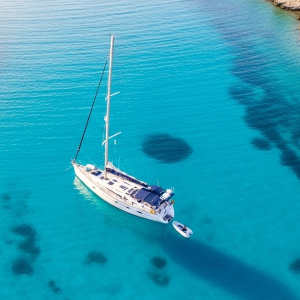
A sailboat, like my 35-footer, can provide a reliable escape option in disaster scenarios. Unlike land vehicles, sailboats aren’t reliant on traditional fuel types such as gasoline or diesel. Instead, they harness the power of the wind, making them a sustainable and long-term bug-out solution. Solar panels, like the ones I have installed on my boat, can also provide a renewable source of power for essential electronics, addressing the limitation of relying on the sun mentioned under the solar power section.
In addition to this, waterborne escape routes offer less traffic and fewer obstacles compared to land. Furthermore, a well-equipped sailboat can also serve as a livable space, offering shelter, storage for supplies, and even a water filtration system for converting seawater into drinkable water - a crucial factor for survival.
While a sailboat might not be feasible for everyone due to various factors such as location and cost, those who can manage it might find it to be a worthwhile consideration. It's certainly served me well in my preparedness plan.
Again, a fantastic read. I look forward to more enlightening articles on prepping and emergency preparedness from you. #SailboatBugOut #AlternativeBugOutOptions #PrepperLifestyle
A sailboat, like my 35-footer, can provide a reliable escape option in disaster scenarios. Unlike land vehicles, sailboats aren’t reliant on traditional fuel types such as gasoline or diesel. Instead, they harness the power of the wind, making them a sustainable and long-term bug-out solution. Solar panels, like the ones I have installed on my boat, can also provide a renewable source of power for essential electronics, addressing the limitation of relying on the sun mentioned under the solar power section.
In addition to this, waterborne escape routes offer less traffic and fewer obstacles compared to land. Furthermore, a well-equipped sailboat can also serve as a livable space, offering shelter, storage for supplies, and even a water filtration system for converting seawater into drinkable water - a crucial factor for survival.
While a sailboat might not be feasible for everyone due to various factors such as location and cost, those who can manage it might find it to be a worthwhile consideration. It's certainly served me well in my preparedness plan.
Again, a fantastic read. I look forward to more enlightening articles on prepping and emergency preparedness from you. #SailboatBugOut #AlternativeBugOutOptions #PrepperLifestyle
Please Log in or Create an account to join the conversation.
- SailorJohn
-

- Offline
- Junior Member
-
Less
More
- Posts: 33
- Thank you received: 1
4 months 6 days ago #933
by SailorJohn
Replied by SailorJohn on topic Different Types of Bug-Out Fuel
Interesting read, but I gotta push back on a few points. Gasoline is definitely the go-to for most folks, but it's not always reliable. I mean, if the SHTF and everyone’s scrambling for fuel, it could be a real struggle. Plus, that expiration thing is a pain. Diesel is great for longevity, but the noise and cold gel issues are real concerns in a pinch.
Kerosene has its perks, but I’ve found it can be hard to get in some areas, and that smoke can be a hassle. Propane and butane are useful, but yeah, you better be careful with the handling.
And solar power? Love the idea, but practical for a bug-out bag? Heavy, bulky, and dependent on sunshine. Not always a guarantee.
It's all about weighing those pros and cons based on your situation. For me, having multiple fuel types in the stockpile is the way to go. You never know what might come your way. Stay prepared, folks! 💪
Kerosene has its perks, but I’ve found it can be hard to get in some areas, and that smoke can be a hassle. Propane and butane are useful, but yeah, you better be careful with the handling.
And solar power? Love the idea, but practical for a bug-out bag? Heavy, bulky, and dependent on sunshine. Not always a guarantee.
It's all about weighing those pros and cons based on your situation. For me, having multiple fuel types in the stockpile is the way to go. You never know what might come your way. Stay prepared, folks! 💪
Please Log in or Create an account to join the conversation.
Time to create page: 0.252 seconds